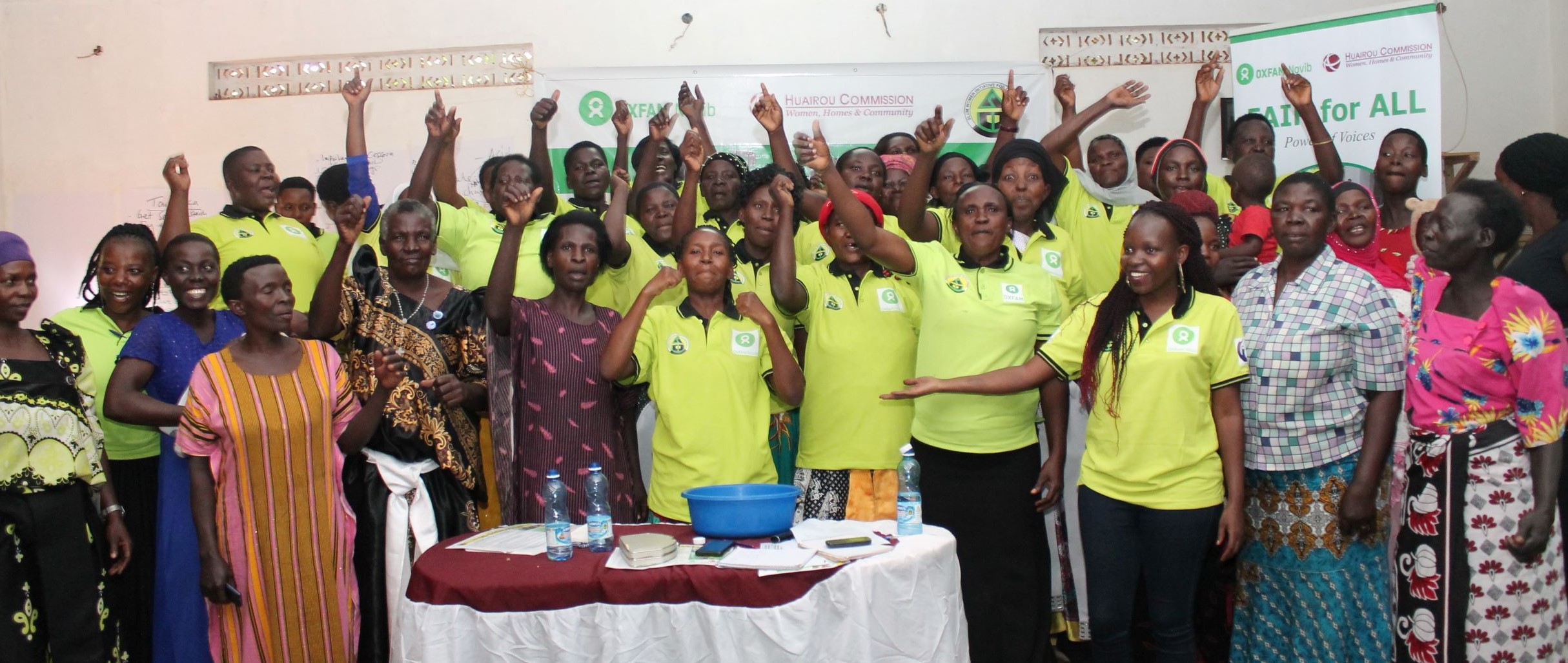
FAIR FOR ALL Empowers Women in Busoga: Voices from Kamuli and Kaliro
Watch our new documentary, “FAIR FOR ALL,” and discover how women in Kamuli and Kaliro districts are transforming cassava farming into a powerful tool for income, empowerment, and community development. From planting and harvesting to processing cassava into flour, crisps, and cakes, these women are turning humble roots into opportunity and hope. Join us as they share their stories, challenges, and successes, showing how determination, training, and community support are reshaping lives in Eastern Uganda.
Kamuli & Kaliro, Eastern Uganda – In Eastern Uganda, women are turning cassava—a simple root crop—into a source of income, empowerment, and community development. Across Kamuli and Kaliro districts, thousands of women have embraced modern farming techniques that are transforming lives.
At sunrise, the cassava fields come alive. Women carry hoes and baskets, tending to their crops while children and neighbors join in. For farmers like Nabirye Florence, training programs have been a game-changer. “Before the training, I struggled to grow enough. Now, I harvest more and provide for my family. This has changed our lives,” she says.
From Field to Market
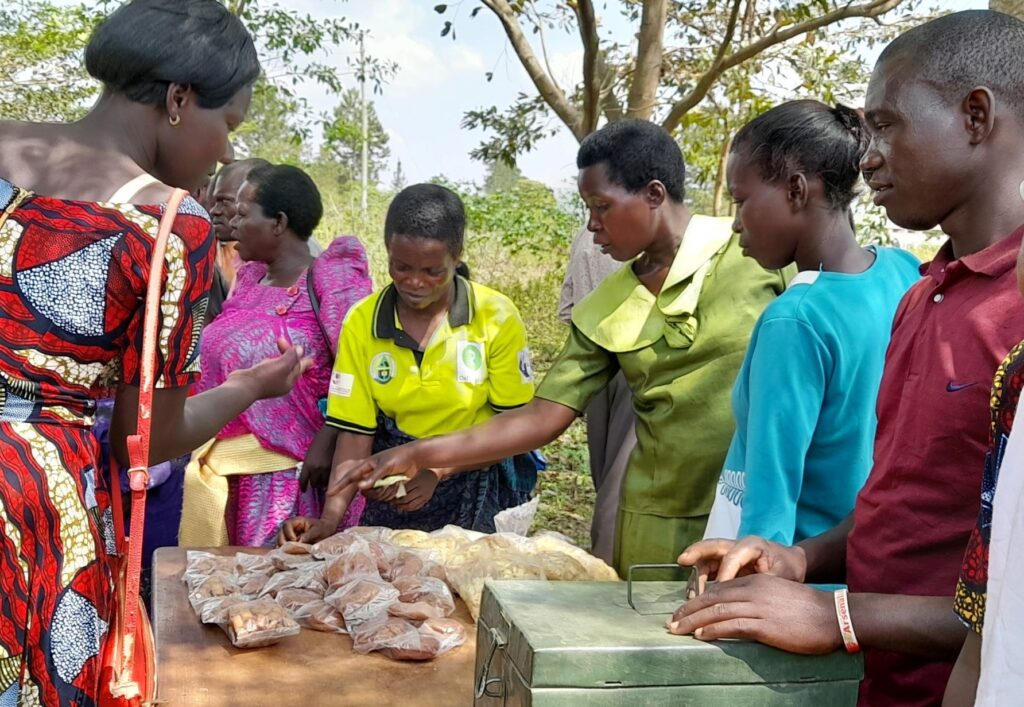
The transformation extends beyond farming. Women are slicing, peeling, and drying cassava into flour, crisps, and cakes using locally available machines. Entrepreneurs like Jennifer Babirye lead processing groups, turning cassava into high-demand products sold at local markets.
“Seeing our products appreciated and bringing income is incredible,” says Babirye. “Cassava is no longer just food—it is our path to economic empowerment.”
Growing Impact
Success stories are multiplying. Walumba Robert, an LC1 Chairman in Kamuli, recently harvested 5,000 kilograms of cassava from a single acre. Community training sessions equip women with essential skills in solar drying, bookkeeping, and crop management. Entrepreneurs like Grace Kirabo use these skills to start businesses and mentor youth.
“The trainings helped me start a business and train young people. Cassava is not just a crop—it is a tool for community growth,” Kirabo explains.
Challenges Ahead
Despite these achievements, cassava farming remains labor-intensive. Peeling and processing are done manually under the sun, and access to machinery is limited. Farmers like Zainab Nankya emphasize the urgent need for equipment to improve efficiency and expand markets.
A Vision for the Future
Cassava has become more than a crop; it is a symbol of resilience and progress. With community support, machinery, and continued training, these women are creating wealth, empowering youth, and inspiring others to follow suit.
In Kamuli and Kaliro, cassava is not just food—it is gold, opportunity, and hope in the hands of those who nurture it.