
Empowering Women, Ending Waste: SWID’s Cassava Revolution in Busoga, Uganda
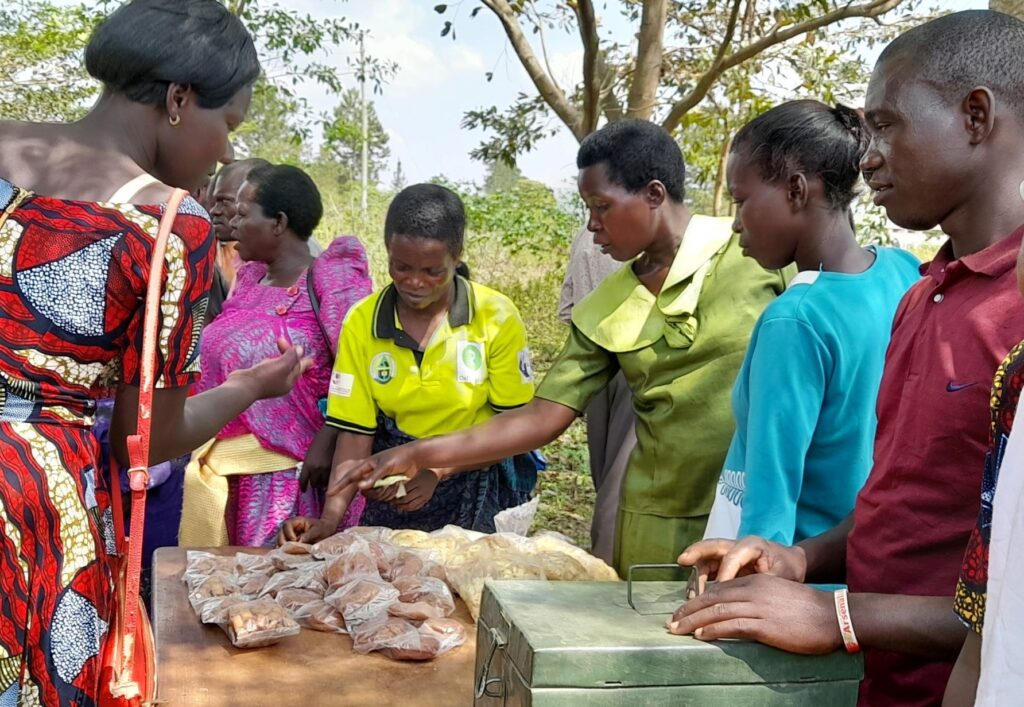
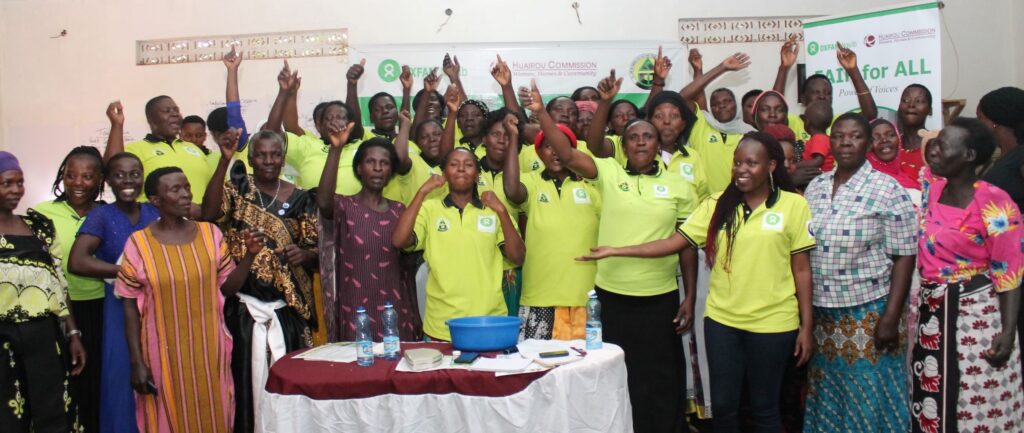
On International Day of Zero Waste, attention turns to practical, community-driven solutions that are redefining how the world tackles food loss. In Uganda’s Busoga region, Slum Women’s Initiative for Development is leading a powerful grassroots movement that proves food waste is not inevitable—it can be transformed into opportunity, income, and sustainability.
Guided by the principle “when you feed the soil, the soil feeds you,” SWID is empowering women to take control of the cassava value chain—ensuring that every stage, from harvest to consumption, creates value instead of waste.
Closing the Loop in Cassava Production
Cassava remains a staple crop across Busoga, yet post-harvest losses and unreliable markets have historically limited its economic potential. SWID is addressing these challenges by equipping women with practical skills in post-harvest handling, including proper drying, storage, and timely processing.
These interventions significantly reduce spoilage, extend shelf life, and improve product quality—ensuring that farmers retain more value from their harvests.
From Waste to Wealth
In SWID’s model, nothing goes to waste. Spoiled cassava and organic residues are repurposed into organic fertilizer, enriching soils and reducing dependence on costly chemical inputs. This approach not only lowers production costs but also promotes environmentally sustainable farming practices.
By restoring soil fertility naturally, farmers are able to increase yields while protecting the environment—creating a regenerative cycle where waste becomes a resource.
Value Addition as a Game Changer
Beyond minimizing losses, SWID is enabling women to unlock new income streams through value addition. Cassava is processed into high-demand products such as flour, starch, and baked goods—allowing farmers to earn even when fresh markets are limited or prices decline.
This shift is transforming cassava from a subsistence crop into a reliable commercial commodity, strengthening household incomes and enhancing economic resilience.
Women at the Center of Change
At the heart of this transformation are women—farmers, entrepreneurs, and innovators—who are building resilient food systems with the resources available to them. SWID’s approach recognizes women not just as beneficiaries, but as leaders driving sustainable development within their communities.
“At SWID, we believe that food waste is not just an environmental issue—it is an economic opportunity. By equipping women with skills in value addition, post-harvest handling, and organic farming, we are turning what was once lost into income, nutrition, and dignity for families. When you feed the soil, the soil feeds you.”
— Doreen Kairamira King, Executive Director, SWID
A Model for Sustainable Communities
SWID’s cassava initiative represents more than an agricultural intervention—it is a model for building circular economies in rural communities. By minimizing waste, maximizing resources, and empowering women, the initiative is delivering lasting social, economic, and environmental impact across Busoga.
Appreciation to Partners
SWID extends sincere appreciation to the Huairou Commission for its continued support in strengthening grassroots women’s leadership and advancing community-led solutions. This partnership has been instrumental in amplifying the impact of SWID’s initiatives, enabling women in Busoga to turn local challenges into sustainable opportunities.
As the world marks the International Day of Zero Waste, SWID’s work stands as a compelling example of how grassroots innovation can address global challenges—proving that sustainable solutions often begin at the community level, where every resource counts and every effort matters.
