SWID Empowers Women in Uganda to Boast Food Security.
SWID through the Grassroot Women food system transfomtion project empowers women across Busoga region in Uganda to achieve food security, transform livelihoods, and improve household incomes. Learn how women in Busoga are growing crops, selling produce, and ending hunger in their communities.
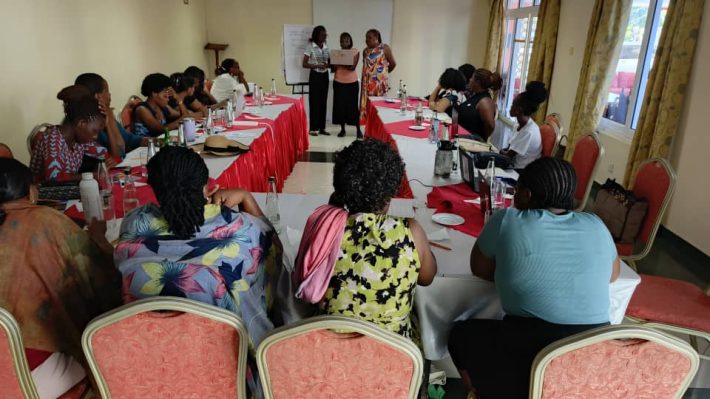
Busoga, Uganda — Slum Women Initiatives for Development (SWID) is emerging as one of Uganda’s strongest grassroots movements championing women’s empowerment and food security, with transformative impact already visible across Busoga and beyond. Through support from the Huairou Commission, SWID is equipping women with the skills, land access, and agricultural tools needed to overcome hunger, increase household income, and build resilient communities.
Across Uganda, food insecurity remains a major national concern, with thousands of households struggling to secure sufficient, nutritious food. In many regions, women—who are the backbone of household food production—lack access to land, training, and inputs. SWID’s model directly addresses these barriers and is now drawing national attention.
Women in Busoga Demonstrate What Food Security Can Achieve
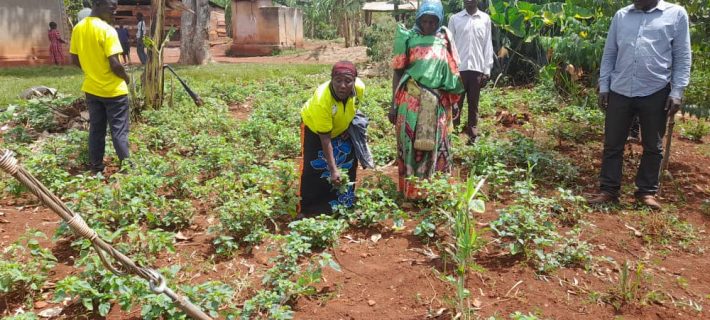
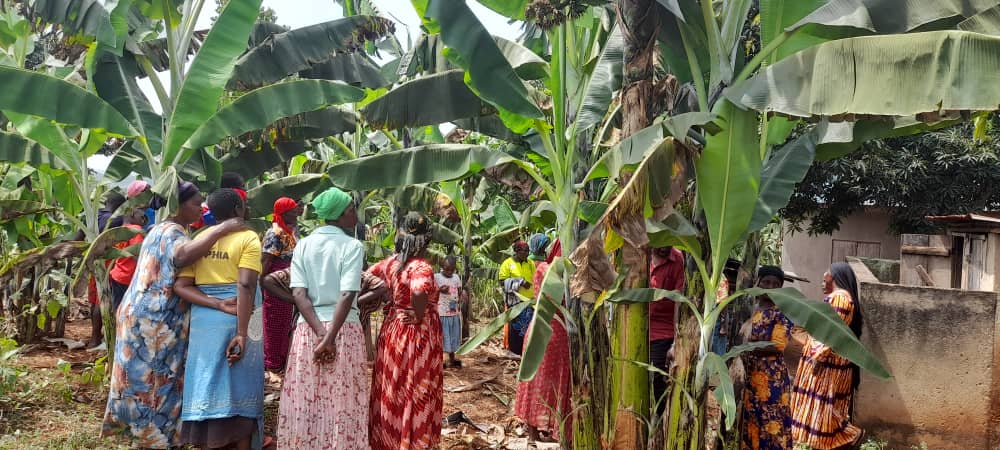
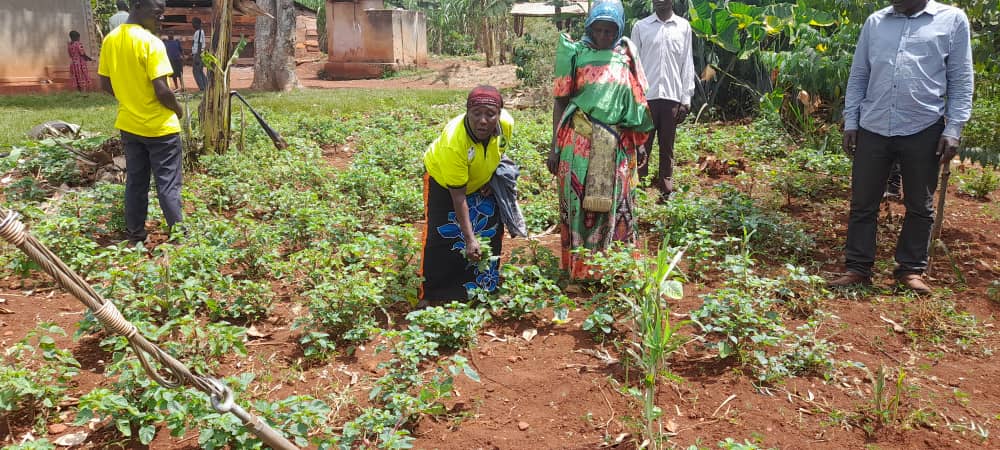
During a recent monitoring visit in Budondo, Jinja, SWID-supported women showcased thriving farms of indigenous crops, vegetables, matooke, bananas, soya, fruit trees, cassava, and sweet potatoes, all produced using environmentally friendly organic manure. Their produce supplies urban markets such as Umbercourt Market in Jinja City, strengthening local food chains and improving household incomes.
Irene, one of the beneficiaries, shared: “Before SWID, I suffered with hunger and sometimes went without lunch. Today, I have a banana plantation that feeds my family, and during festive seasons I sell and pay school fees for my children.” Budondo alone has 100 women benefiting under the Huairou Commission, with many having completely transformed their households through agriculture and value addition.The group women leader Nangobi Faridah futher testifies on how she can now utilise her piece of land flexibly without distractions from her husband as it was before .
SWID’s Executive Director, Ms. Kairamirwa Doreen King says the organization chose to prioritize food security because it is the foundation of all other forms of empowerment. “These women had many problems—deep poverty, hunger, no money for school fees, medical care, or decent housing. We asked ourselves where to begin, and food security stood out as the gamechanger. Women were spending all their income buying food. Now they can feed their families and also earn money to meet other needs.”
Local Leaders Support the Initiative
Local leaders in Budondo describe SWID’s intervention as timely and aligned with Uganda’s agricultural potential. One leader remarked: “Budondo has good soils and a favourable climate. Supporting women to engage in agriculture is key to transforming households. Once a woman can feed her family, she can transform every other part of her life.”
A National Movement Rooted in Busoga.
While the project’s strongest footprint is currently in Busoga—impacting over 1,000 women in districts like Jinja, Kamuli, and Kaliro—the model is highly scalable and relevant to other regions of Uganda. SWID’s programmes focus on:
- Community empowerment
- Mindset change
- Access to land for women
- Skills development and value addition
- Leadership grooming
- Promotion of indigenous foods and organic farming
This holistic approach positions women as key drivers of Uganda’s food systems transformation.
Why SWID’s Model Matters for Uganda.
Uganda continues to face scattered pockets of hunger, low productivity, and vulnerability to climate shocks. Many rural households survive on one meal a day, and women bear the greatest burden due to limited control over land and resources.
By restoring women’s access to land, strengthening agricultural skills, and promoting sustainable farming, SWID offers a long-term national solution to food insecurity and poverty. The success in Busoga provides a blueprint for scaling the model to other regions across Uganda.
As Uganda strives toward zero hunger and inclusive economic growth, SWID’s community-driven approach demonstrates the power of empowering women—because when a woman can feed her family, she can transform her home, her community, and ultimately the nation.